

Centralized Exchanges: The Only Place Crypto Can Be Legally Stopped
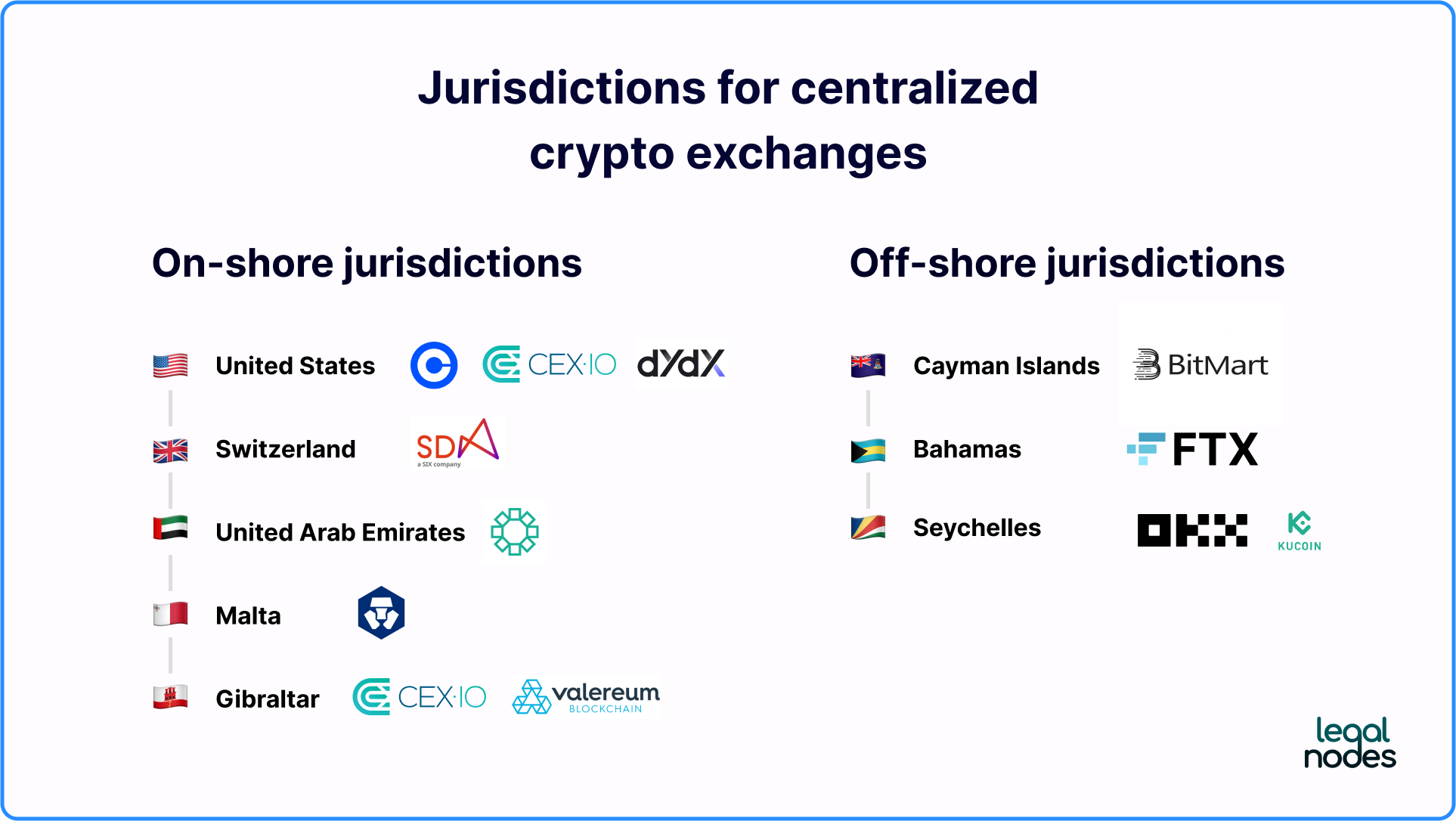
Why Bitcoin Recovery Depends on Custodial Platforms and Court Authority
Introduction: Where Bitcoin Finally Meets the Law
Cryptocurrency was designed to operate without central control.
That design is precisely what makes fraud so difficult to reverse.
Once Bitcoin is transferred, the blockchain does not ask questions, verify intent, or allow reversals. Ownership is enforced purely by cryptographic keys—not by fairness, legality, or justice.
Yet despite Bitcoin’s decentralized architecture, crypto crime still depends on centralized systems to extract value. Scammers may steal Bitcoin using decentralized tools, but they cannot fully benefit from it without interacting with centralized exchanges.
This dependency creates the only realistic enforcement point in most Bitcoin recovery cases.
At Free Crypto Recovery Fixed, we focus on this intersection—where decentralized crypto becomes subject to real-world law—because it is the moment recovery becomes legally possible.
Understanding the Two Worlds of Cryptocurrency
To understand why centralized exchanges are critical, it is important to separate crypto into two distinct environments.
Decentralized Environment (Private Wallets)
In decentralized systems:
Users control their own private keys
No central authority exists
No identity is required
No legal control is embedded
No reversal mechanism exists
Bitcoin held in private wallets is legally invisible and uncontrollable unless the owner voluntarily cooperates.
Centralized Environment (Custodial Exchanges)
In centralized exchanges:
Assets are held in custody
Accounts are tied to identities
Platforms follow regulatory obligations
Legal jurisdictions apply
Court orders are enforceable
This is where crypto stops behaving like anonymous code and starts behaving like regulated financial property.
Why Scammers Cannot Avoid Centralized Exchanges Forever
A common myth suggests that scammers can remain entirely decentralized.
In reality, this is rarely true.
Why Scammers Need Exchanges
Scammers rely on exchanges to:
Convert Bitcoin into fiat currency
Swap assets for liquidity
Withdraw funds to bank accounts
Launder proceeds through regulated rails
Store large balances securely
Without exchanges, stolen Bitcoin remains economically trapped.
This necessity makes centralized exchanges the weakest link in crypto crime—and the strongest opportunity for recovery.
What Makes Centralized Exchanges Legally Controllable
Centralized exchanges operate like financial institutions, not anonymous protocols.
They are:
Incorporated legal entities
Subject to financial regulation
Required to comply with KYC and AML laws
Bound by jurisdictional authority
Obligated to respond to court orders
This legal structure is what allows courts to intervene.
Custody: The Key Legal Difference
When Bitcoin is deposited into an exchange, it is no longer held directly by the user.
It becomes custodial property.
Why Custody Changes Everything
Custodial assets:
Are controlled by the exchange
Can be frozen or restricted
Can be preserved by court order
Can be disclosed through legal process
This is why Bitcoin recovery becomes viable only at the exchange level.
Why Exchanges Cannot Act Without Court Orders
Victims often assume exchanges have discretion to “do the right thing.”
Legally, they do not.
The Exchange’s Legal Constraints
Without court authority, an exchange risks:
Breach of user agreements
Violating privacy laws
Regulatory sanctions
Civil litigation
Even obvious fraud does not give an exchange permission to freeze or disclose accounts voluntarily.
Only courts provide lawful authority.
Exchange Freezing Orders: The Enforcement Mechanism
When courts intervene, they do so through Exchange Freezing Orders.
These orders compel exchanges to:
Freeze outgoing transactions
Preserve account balances
Prevent asset dissipation
Maintain evidence
They are preservation tools, not punishments.
This is often the only moment where stolen Bitcoin can be stopped before permanent loss.
Why Bitcoin Recovery Experts Focus on Exchanges
A legitimate Bitcoin recovery expert does not chase private wallets.
They focus on:
Exchange exposure
Custodial intersections
Jurisdictional authority
Legal leverage
At Free Crypto Recovery Fixed, every case assessment asks one foundational question:
Have the stolen assets intersected with a centralized exchange that can be legally compelled?
If the answer is no, recovery may be impossible.
If the answer is yes, recovery may still be viable.
KYC and AML: Turning Bitcoin Into Identifiable Property
Centralized exchanges are required to collect:
Government-issued identification
Proof of address
Banking information
Transaction history
This information allows courts to:
Identify perpetrators
Establish ownership chains
Support proprietary claims
Enforce restitution
Without KYC, recovery efforts remain blind.
Jurisdiction: Why Exchange Location Matters More Than Victim Location
One of the most overlooked factors in Bitcoin recovery is jurisdiction.
What Determines Legal Authority
Jurisdiction depends on:
Where the exchange is incorporated
Where it operates legally
Which courts it recognizes
Victims often waste critical time filing complaints in the wrong jurisdiction.
At Free Crypto Recovery Fixed, jurisdictional strategy is determined before legal action—not after delays occur.
Common Bitcoin Recovery Failures Involving Exchanges
Many recovery attempts fail because of:
Contacting exchanges without legal counsel
Submitting incomplete evidence
Alerting scammers prematurely
Using fake “exchange insiders”
Falling for unauthorized recovery claims
These mistakes often cause scammers to move assets before freezes are issued.
Why Private Wallets Remain a Dead End
It is important to be clear:
Bitcoin held exclusively in private wallets cannot be frozen by courts.
There is:
No custodian to compel
No entity to serve
No authority to enforce
This is why exchange involvement is essential.
How Free Crypto Recovery Fixed Approaches Exchange-Based Recovery
Our approach is lawful, evidence-driven, and jurisdictionally precise.
We focus on:
Forensic tracing suitable for court review
Identifying exchange custody points
Legal feasibility assessment
Coordinated legal action
We do not promise outcomes.
We preserve opportunity.
What Legitimate Bitcoin Recovery Never Claims
No legitimate Bitcoin recovery expert will claim:
Guaranteed recovery
Private exchange access
Immediate asset release
Backdoor wallet control
These claims indicate scams—not solutions.
Conclusion: Centralized Exchanges Are the Only Gatekeepers
Bitcoin may be decentralized, but recovery is not.
Centralized exchanges are the only place where:
Assets can be frozen
Identities can be revealed
Courts can intervene
Recovery becomes possible
If stolen Bitcoin has reached a centralized exchange, legal action—not technical hope—determines the outcome.
Confidential Bitcoin Recovery Assessment
If your Bitcoin was stolen and tracing indicates possible exchange involvement, early professional review is critical.
Free Crypto Recovery Fixed offers confidential assessments based on legal viability and evidence—not false promises.
Website: https://freecryptorecovery.net
Phone: +1 (407) 212-7493
Email: support@freecryptorecovery.net
All inquiries are handled discreetly and evaluated on their individual legal and evidentiary merits.